Let’s be honest: it’s 4:30 PM on a rainy Tuesday in South East London. The school run was a blur of forgotten PE kits and heavy backpacks, the kettle is only just boiling, and the looming shadow of "homework time" is already making my middle child eye the sofa like a life raft. If I suggest another dry textbook exercise right now, I’m going to be met with a level of resistance usually reserved for getting a toddler into a snowsuit.
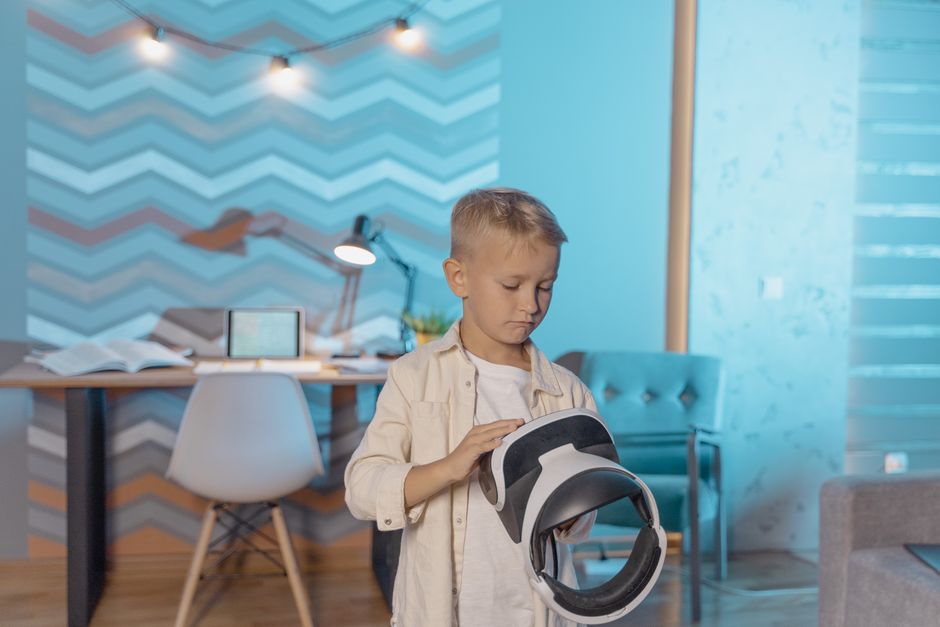
This is where the promise of a game-based learning platform feels like a lifeline. But as parents, we’ve all been there: we sign our kids up for a "fun, interactive" app, only to find it requires a degree in software engineering to set up, or—worse—it turns a simple maths concept into a high-stakes, anxiety-inducing leaderboard that leaves our quiet, thoughtful kids feeling like they’re losing a race they didn’t even know they were running.
So, how do we cut through the marketing fluff? What should you actually look for when you’re trying to keep them engaged without turning your living room into a battleground?
1. The "Motivation Trap": Why Points and Badges Aren't Always Enough
We’ve all seen the gamification hook: collect the coins, earn the shiny gold badge, level up the avatar. Platforms like Centrical have mastered the art of professional-grade gamified learning, and while that’s brilliant for corporate training, we need to be careful how it translates to a tired primary or secondary schooler.
When you’re vetting a platform, look for levels and rewards that feel meaningful, not just performative. If the platform is just dangling a digital carrot to keep them clicking mindlessly, it isn't "learning"—it’s just screen time in a trench coat. True engagement happens when the game mechanics mirror the difficulty of the task, not when the game is used to distract the child from the fact that they’re bored.
What to watch out for:
- The Leaderboard Anxiety: If a tool relies heavily on public rankings, run for the hills. We don’t need our kids stressed about their "class rank" on top of everything else. Reward Fatigue: Does the novelty wear off after three days? If the only reason they’re using it is to unlock a new hat for their avatar, it’s not teaching them the love of the subject.
2. Student Progress Tracking: Less "Big Brother," More "Little Steps"
As a mum of three, I have zero interest in a dashboard that sends me a notification every time my son misses a question. I’m already checking their planners and hunting for lost reading records—I don’t need more data to stress over. However, student progress tracking *is* useful if it helps us have a quiet, supportive chat about where they might need a bit of extra help.
The best platforms give you a high-level view. You want to see: "Ah, they’ve mastered times tables but are still tripping up on long division." That allows me to step in with a bit of casual support (and maybe a biscuit) rather than hovering over their shoulder like a nervous examiner.
3. Tools That Don't Need a PhD to Operate
I have a hard rule: if a tool requires more than three clicks to get to the actual learning, I’m out. I cannot tell you how many "miracle" educational apps have been deleted from our family iPad because they required https://www.spiritedpuddlejumper.com/gamifying-learning-tools-that-make-education-fun/ constant updates, complex password resets, or a Wi-Fi connection that never seems to work in our Victorian semi.
Look for platforms that are "open-and-go." If it takes twenty minutes of setup, you’ve lost the window of opportunity before they’ve even started.

4. Rethinking Recall: The Power of Low-Stress Flashcards
Revision is often the biggest pain point in our house. The "look, cover, write, check" method is fine, but it’s dull. This is where AI tools like Quizgecko have been a genuine game-changer. Instead of me spending my Sunday evening typing out flashcards from a textbook, I can upload a chapter or a set of notes, and the AI generates the quiz for me.
Why do I like this? Because it makes recall and revision feel like a game rather than a chore. It turns passive reading into active, quick-fire interaction. It’s perfect for that 10-minute window before dinner. If they get it wrong, the computer doesn't get frustrated; it just gently shows the right answer. That creates a low-stress environment where they’re actually willing to have a go.
5. My Checklist for Parents
If you're out there hunting for the next best thing to help with homework, keep this list in your pocket:
Is it low-stakes? Can they make a mistake without feeling like they’ve failed a high-pressure exam? Does the gamification enhance the content? Or is it just a digital sticker chart meant to keep them addicted to the app? Is it transparent? Can you, as the parent, see how they’re doing without it feeling like an intrusive tracking system? Does it respect the "Tuesday Fatigue"? Is it quick to start and satisfying to finish?Final Thoughts: Keep it Kind
The best game-based learning platform isn't the one with the flashiest graphics or the most expensive subscription. It’s the one that helps your child feel capable. In a world where kids are constantly tested, judged, and ranked, our homes should be the place where they can get a question wrong, giggle about it, and try again without a single red mark in sight.
So, find a tool that works for *your* family—not the one the teacher recommended because it’s "rigorous," but the one that makes your child stop saying, "I hate this," and start saying, "Actually, that was okay."
Now, if you’ll excuse me, the kettle has boiled, the toast is popping, and I’ve got three kids to wrangle before we tackle the science revision. Wish me luck!